












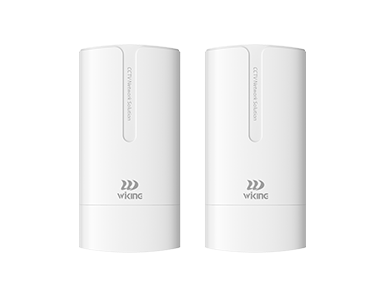


Ensuring Your Network Switches Are Safe and Sound: A Quick Look at Hardware and Software Safety Features
Oct 28,2024
In today’s interconnected world, network switches play a crucial role in maintaining seamless communication and data flow within organizations. However, with the increasing complexity of networks and rising cyber security threats, it’s more important than ever to ensure that your switches are protected both physically and digitally. This article delves into the various hardware and software safety features that keep your switches operating safely and efficiently.

Hardware Safety Features that Matter the Most
1. Temperature Control
Modern switches are equipped with advanced temperature monitoring and control systems to prevent overheating, which can lead to hardware failure or reduced lifespan. Many switches include built-in fans or heat sinks that automatically adjust their speed based on internal temperature. Quality switches, like those from Wi-Tek, are designed to operate safely within a wide temperature range, typically from -40 to 75 degrees Celsius, ensuring reliability in various environments.
2. Surge and ESD Protection
Electrical surges and electrostatic discharge (ESD) can cause severe damage to network equipment. High-quality switches incorporate surge protection circuits and ESD-resistant components to safeguard against these electrical anomalies, ensuring the longevity and reliability of the device. Wi-Tek switches are equipped with robust surge protection up to 4kV and ESD protection up to 8kV for air discharge, offering excellent defense against electrical disturbances.
3. Redundant Power Supplies
To maintain continuous operation even in the event of a power supply failure, many enterprise-grade switches feature redundant power supplies. This dual-power system allows the switch to continue functioning if one power supply fails, minimizing downtime and potential data loss. Wi-Tek offers switches with redundant power supply options, ensuring uninterrupted network operation.
4. Physical Security Features
Some switches come with lockable port covers or tamper-evident seals to prevent unauthorized physical access. Additionally, rack-mounting options with secure fasteners help protect switches from accidental disconnection or theft. Wi-Tek switches are designed with these physical security considerations in mind, offering robust build quality and secure mounting options.
5. Environmental Hardening
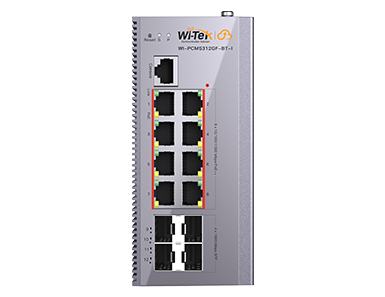
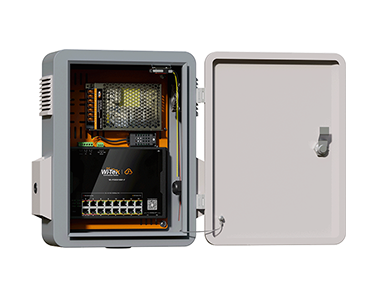
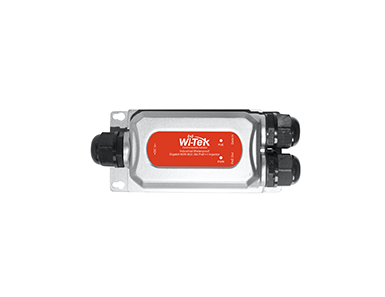
For switches deployed in harsh environments, manufacturers offer ruggedized versions with enhanced protection against dust, moisture, and extreme temperatures. These switches often comply with industrial standards like IP67 ratings. Wi-Tek’s industrial switch lineup includes models specifically designed for challenging environments, ensuring reliable performance in diverse settings.
Software Safety Features
1. Denial of Service (DoS) Protection
Switches with DoS protection can identify and mitigate various types of DoS attacks, preventing network congestion and maintaining service availability for legitimate users. Wi-Tek switches come equipped with advanced DoS protection features, safeguarding your network against potential attacks.
2. DHCP Snooping
This feature helps prevent rogue DHCP servers from distributing incorrect IP addresses, protecting the network from potential man-in-the-middle attacks or IP address exhaustion. Wi-Tek switches incorporate DHCP snooping capabilities, enhancing network security and stability.
3. Access Control Lists (ACLs)
ACLs allow network administrators to define rules that control traffic flow, enhancing security by permitting or denying specific types of network traffic based on predefined criteria. Wi-Tek switches support flexible ACL configuration, providing granular control over network traffic.
4. AAA Authentication
Authentication, Authorization, and Accounting (AAA) protocols provide a framework for controlling access to network resources, ensuring that only authorized users can configure or access the switch. Wi-Tek switches support robust AAA implementations, allowing for secure and controlled access to network resources.
5. Port Security
This feature allows administrators to limit the number of MAC addresses that can be learned on a specific port, preventing unauthorized devices from connecting to the network. Wi-Tek switches offer comprehensive port security options, helping to maintain the integrity of your network.
6. VLAN Segmentation
Virtual LANs (VLANs) enable network segmentation, improving security by isolating different parts of the network and controlling traffic flow between segments. Wi-Tek switches support advanced VLAN configurations, allowing for efficient network segmentation and enhanced security.
7. Secure Management Interfaces
Switches often support encrypted management protocols like SSH and HTTPS, ensuring that administrative access to the device is secure and protected from eavesdropping. Wi-Tek switches provide secure management interfaces, safeguarding administrative access to your network devices.
Conclusion
As network infrastructure becomes increasingly complex and vital to business operations, the importance of switch safety cannot be overstated. By leveraging both hardware and software safety features, organizations can significantly enhance the security, reliability, and performance of their network switches. When selecting switches for your network, carefully consider these safety features to ensure that your infrastructure remains robust and protected against both physical and digital threats. Wi-Tek switches offer a comprehensive suite of safety features, making them an excellent choice for organizations prioritizing network security and reliability.
Remember, while these features provide a strong foundation for switch safety, they should be part of a comprehensive network security strategy that includes regular updates, monitoring, and best practices in network management.


